






Live Chat

Domain Scan

(empty)

Login

Common Mistakes People Make When Choosing A Hosting Provider
(27-jun-2025)
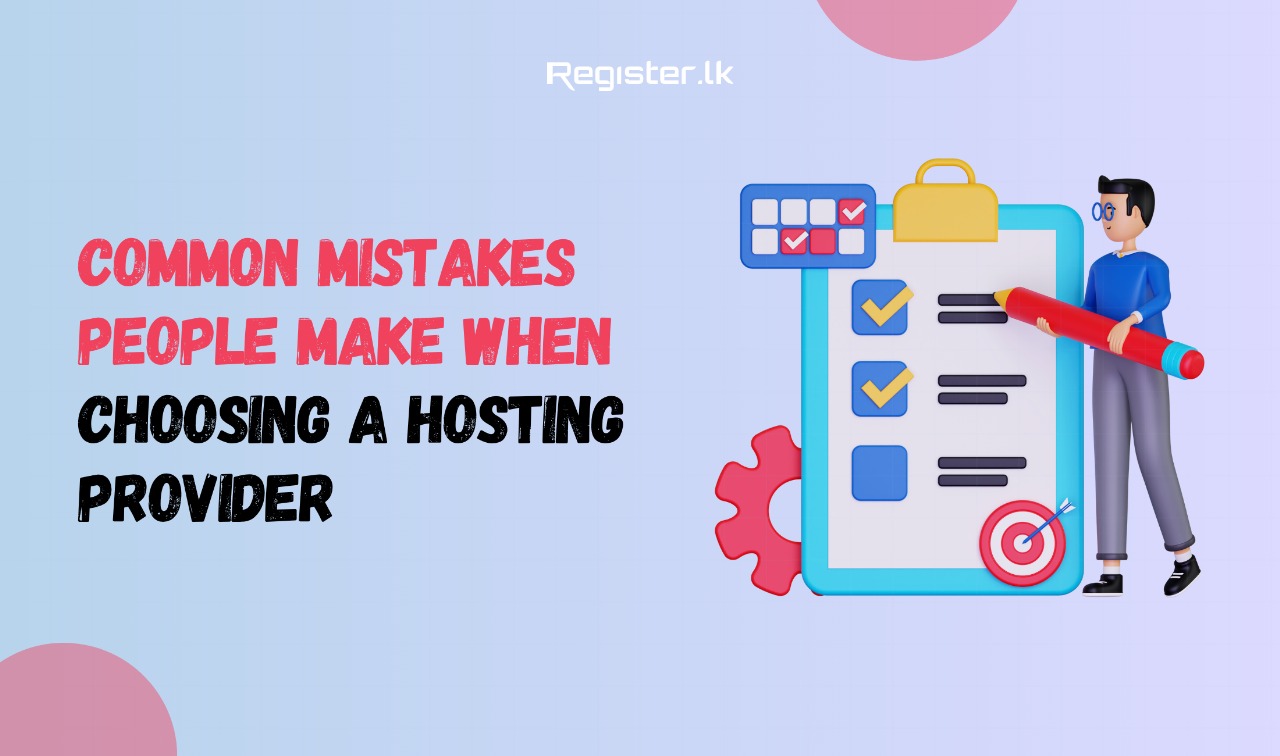
Launching a website is exciting-but choosing the wrong hosting provider can quickly turn that excitement into frustration. From misleading pricing to poor customer support, several pitfalls catch beginners and even seasoned site owners off guard. In this blog post, we'll walk you through the most common mistakes people make when selecting a hosting provider-and how you can avoid them.
1. Falling for Cheap First-Year Deals Without Checking Renewal Costs
Many hosting providers lure in customers with jaw-droppingly low first-year prices, or even free with certain packages. While this seems like a great deal, the catch often comes during the second year. Renewal rates can jump significantly-sometimes 2x or 3x higher-catching customers off guard and forcing them to either pay more or switch providers.
✅ What to do instead: Always look beyond the first-year price. Review the renewal fees, available on the pricing page or in the terms and conditions. If a deal seems too good to be true, it probably is. It's better to pay a slightly higher, consistent rate than to face a surprise renewal cost later.
2. Not Checking Resource Limits (CPU, RAM, Bandwidth)
One of the most common misconceptions is that "unlimited hosting" means unlimited usage. In reality, many hosting providers advertise unlimited bandwidth or storage, but impose hidden restrictions on CPU usage, RAM allocation, simultaneous processes, or inode limits (number of files and folders). If your website uses too many resources-especially with dynamic content, plugins, or frequent database queries-it may be throttled or even temporarily suspended without warning.
✅ What to do instead: Don't rely solely on "unlimited" labels. Instead, review the technical specifications of your hosting plan-especially CPU cores, memory allocation, and process limits. If you expect steady growth or plan to run heavy plugins or apps, choose a package with clear resource boundaries and flexible upgrade options.
3. Overlooking Customer Support Quality
When your website goes down or you encounter email issues, good customer support can make all the difference. Many users regret choosing a hosting provider with limited support hours, slow response times, or language barriers. Some even find themselves waiting days for critical fixes-hurting business operations in the process.
✅ What to do instead: Look for hosting companies that offer 24/7 support through live chat, phone, or email. Test their response time with a pre-sale question. A provider that values customer service will give you the confidence to manage any issue quickly.
4. Forgetting About Email Hosting
Many site owners focus only on getting their website online and overlook one essential feature: email. Not having a custom email address like yourname@yourdomain.com looks unprofessional. Some hosting providers don't include email hosting at all-or charge extra for it-leaving users scrambling to find third-party solutions.
✅ What to do instead: Choose a hosting provider that includes email hosting in their plans, allowing you to set up professional mailboxes easily. It's a small detail that significantly improves your brand image and credibility with customers and clients.
5. Choosing the Wrong Hosting Type
Not all websites have the same needs. A lightweight portfolio website and a high-traffic eCommerce store require very different hosting setups. Many people default to the cheapest shared hosting plan without considering performance needs, or go overboard buying a VPS when shared would have worked just fine.
✅ What to do instead: Evaluate your website's current traffic, functionality, and future goals. For small projects or startups, shared hosting might be ideal. As your traffic grows, make sure your provider allows smooth upgrades to more powerful options like VPS or cloud hosting.
6. Not Checking Uptime Guarantee
Even a few minutes of downtime can affect your business, especially if you're running online sales, booking systems, or client portals. Some providers offer vague uptime claims or don't have a transparent way to verify their performance.
✅ What to do instead: Look for a provider that guarantees 99.9% uptime or higher. Even better, check independent monitoring sites or customer reviews to confirm they live up to that promise. A reliable uptime record means peace of mind that your site will be online when it matters most.
7. Ignoring User Interface and cPanel Access
Not everyone is a tech expert. A confusing or outdated control panel can make it hard to manage your hosting-even for simple tasks like setting up email or uploading files. Some hosts use proprietary dashboards that limit what you can do without contacting support.
✅ What to do instead: Make sure your hosting provider uses a user-friendly and popular interface like cPanel or DirectAdmin. These tools make it easier to manage domains, emails, backups, and other settings without needing a developer every time.
8. Not Reading the Terms of Service
The Terms of Service might look boring, but they include essential details about what's allowed, what's not, and how your hosting account will be handled. You might find CPU usage limitations, storage caps, or even clauses that allow your account to be suspended during high-traffic spikes.
✅ What to do instead: Take time to read the Terms of Service and Acceptable Use Policy. Look for hidden fees, account suspension rules, and restrictions on content or traffic. Understanding these policies upfront can help you make an informed decision and avoid getting penalized later.
9. Choosing a Provider Without Scalability Options
A hosting plan that works for you today might not be enough six months from now. If your site grows-whether through more traffic, blog content, or product listings-you'll need more resources. Some hosts don't offer upgrade paths, forcing users to migrate their entire site to another company.
✅ What to do instead: Look for providers that offer easy scalability, allowing you to upgrade to VPS, cloud, or dedicated plans without downtime. A good hosting partner grows with your website-not against it.
10. Not Checking Backup and Security Features
Website security isn't optional anymore. Many people assume that all hosting providers include basic protection and daily backups, but that's not always the case. Some charge extra for backups or limit how frequently they're performed. Worse, many cheaper plans don't include malware scans, brute force protection, or SSL certificates.
✅ What to do instead: Choose a provider that offers emergency backups, malware protection, and free SSL certificates. These features are essential for protecting your website from data loss and security breaches-especially if you're running a business, blog, or online store.
Conclusion
Choosing a hosting provider isn't just about the lowest upfront cost. It's about long-term reliability, support, speed, and transparency. By avoiding these common mistakes-like overlooking server location or falling for cheap first-year prices-you'll set your website up for success from day one.
Thinking about a reliable hosting provider that understands the local market? Consider Register.lk, Sri Lanka's #1 domain and hosting provider, with transparent pricing, high end servers, and 24/7 expert support.
Make the smart choice-host your website with Register.lk and enjoy reliable performance, local support, and peace of mind.
 Written by: Register.lk Support Hero - Yusuf


 07-Aug-2026
 28-May-2026
 26-May-2026